 Reviews


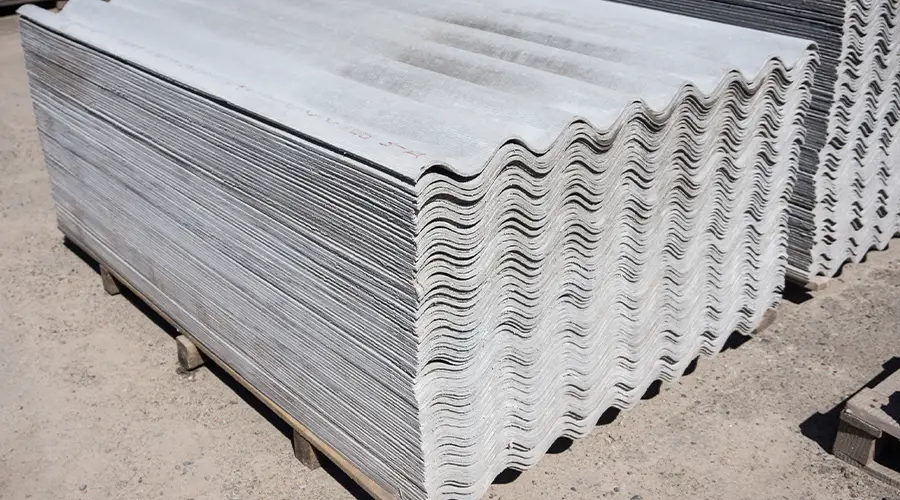
Choosing the right roofing material for your home is an important decision that affects more than just appearance. Your roof plays a major role in protecting the structure, improving energy efficiency, handling local weather conditions, and supporting long term property value. Because there are several roofing materials available, many homeowners feel unsure about which option makes the most sense for their needs.
The best roofing material is not always the one that looks the most attractive or costs the least upfront. It should fit your home’s design, climate, maintenance expectations, and budget while offering dependable performance over time, which is why choosing the right residential roofing solution is essential. In this guide, we will explain the main factors to consider when selecting roofing materials, review common options, and help you make a more informed decision for your home.
Why Roofing Material Choice Matters?
Your roof is one of the largest protective systems on your property. The material you choose affects how well the roof performs in sun, rain, wind, and seasonal temperature changes. It also influences maintenance needs, lifespan, repair costs, and the overall look of the home.
Choosing the right roofing material can help you:
- Protect your home from weather damage
- Improve durability and long term performance
- Support energy efficiency inside the house
- Match the style of your property
- Reduce future repair and maintenance concerns
- Strengthen resale appeal and value
That is why it is worth looking beyond the surface and understanding how each roofing option performs in real conditions.
Start With Your Climate and Weather Conditions
One of the first things to consider is the climate where you live. Roofing materials respond differently to heat, heavy rain, high winds, storms, humidity, and changing temperatures. A material that performs well in one region may not be the best choice in another.
Think about local weather patterns such as:
- Frequent rain or moisture
- Strong wind and storm exposure
- Extreme summer heat
- Hail risk
- Humidity levels
- Seasonal temperature swings
For example, some materials offer better wind resistance, while others perform better in high heat or under heavy sun exposure. Choosing a material suited to your climate can improve roof life and reduce future problems.
Consider the Style of Your Home
Roofing material should also work well with the design of your home. A roof has a major visual impact, so the right material can improve curb appeal and make the property look more balanced.
When evaluating style, think about:
- The architectural design of the house
- The slope of the roof
- The exterior color palette
- The visual texture you want
- Whether the neighborhood has a certain look or standard
A roofing contractor can help you compare materials that not only perform well but also complement the appearance of your home.
Understand Your Budget Beyond the Initial Price
Budget is always important, but it helps to think beyond the upfront installation cost. Some roofing materials cost less at the beginning but may need more maintenance or earlier replacement. Others require a larger investment upfront but can last much longer.
When comparing roofing materials, consider:
- Initial installation cost
- Expected lifespan
- Maintenance needs
- Repair frequency
- Energy efficiency benefits
- Long term value over time
The right choice often depends on whether you want the lowest upfront cost or the strongest long term return.
Common Roofing Material Options
Asphalt Shingles
Asphalt shingles are one of the most common roofing materials for residential homes. Many homeowners choose them because they are widely available, cost effective, and work well with many home styles.
Benefits of asphalt shingles include:
- Broad design and color options
- Lower upfront cost than many premium materials
- Relatively simple installation
- Good fit for many residential roof styles
They can be a practical choice for homeowners who want reliable performance without a high initial investment.
Metal Roofing
Metal roofing has become increasingly popular because of its strength, durability, and modern appearance. It can work well for both residential and certain contemporary home designs.
Metal roofing is often chosen for:
- Long lifespan
- Strong performance in many weather conditions
- Low maintenance needs
- Energy efficiency benefits in sunny climates
- Clean and updated appearance
While metal roofing usually costs more upfront than asphalt shingles, many homeowners see value in its durability and performance.
Tile Roofing
Tile roofing is often selected for its distinct appearance and long term durability. It can create a high-end look and is commonly used on homes with certain architectural styles.
Tile roofing may appeal to homeowners who want:
- Strong visual character
- Long service life
- Good resistance to heat
- A premium appearance
Because tile can be heavier than other roofing materials, the home’s structure must be able to support it properly.
Slate Roofing
Slate is considered one of the more premium roofing materials. It is known for its natural appearance, durability, and long life. Homeowners often choose slate when they want a classic and upscale look.
Slate roofing is typically valued for:
- Elegant appearance
- High durability
- Long expected lifespan
- Strong performance when properly installed
Like tile, slate may require more structural support and a larger investment upfront.
Flat or Low-Slope Roofing Materials
Homes with flat or low-slope roofs usually require different materials than steep-slope residential roofs. These systems are designed to manage drainage and moisture differently.
If your home has a low-slope roof, the material should be selected based on:
- Water resistance
- Drainage performance
- Durability under standing moisture exposure
- Maintenance expectations
A roofing professional can recommend the most suitable material for this roof type.
Think About Maintenance Requirements
Every roofing material has different maintenance expectations. Some materials need more frequent inspections and repairs, while others require less upkeep over time.
Ask yourself:
- Do you want a low-maintenance roofing option?
- Are you prepared for periodic cleaning or inspections?
- Would you rather invest more upfront to reduce future service needs?
Choosing a material that matches your maintenance preferences can make roof ownership easier and more predictable.
Evaluate Lifespan and Long Term Performance
Roof lifespan is one of the biggest factors in material selection. A material with a longer life may cost more initially but provide better long term value if you plan to stay in the home for many years.
It helps to think about:
- How long you expect to stay in the home
- Whether you want to avoid frequent replacements
- How much long term durability matters to you
- Whether the roof may affect resale appeal later
A shorter-term homeowner may prioritize upfront savings, while a long-term homeowner may value durability more heavily.
Ask About Energy Efficiency
The roofing material you choose can influence how much heat your home absorbs and how hard your HVAC system has to work. Some materials reflect more sunlight or support better temperature control than others.
Energy-related considerations include:
- Heat absorption levels
- Ventilation compatibility
- Effect on attic temperature
- Potential impact on heating and cooling costs
This can be especially important in warm climates where roof surface temperature affects indoor comfort.
Do Not Overlook Installation Quality
Even the best roofing material can fail early if it is installed poorly. The quality of workmanship matters just as much as the material itself. A well-installed roof is more likely to deliver the durability and protection you expect.
That is why homeowners should work with a roofing contractor who can:
- Inspect the roof structure properly
- Recommend materials based on real conditions
- Explain installation steps clearly
- Use proper flashing and underlayment methods
- Stand behind the work with strong workmanship support
Choosing the right contractor is part of choosing the right roof.
Questions to Ask Before You Decide
Before selecting a roofing material, it helps to ask a few practical questions:
- Which material fits my local climate best?
- What is the expected lifespan of each option?
- How much maintenance will it require?
- Will my home structure support this material?
- Which option fits my long term budget goals?
- How will the finished roof look on my home?
These questions can help you compare roofing options in a way that goes beyond simple price.
Final Thoughts
Choosing the right roofing material for your home involves balancing appearance, weather performance, maintenance, lifespan, budget, and long term value. Asphalt shingles, metal roofing, tile, slate, and low-slope systems each offer different advantages depending on the home and the conditions they need to handle.
The best choice is the one that fits your property, your priorities, and your local environment. When you work with a knowledgeable roofing professional and evaluate your options carefully, you can choose a roof that protects your home well and supports its value for years to come.